Product Description:
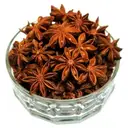
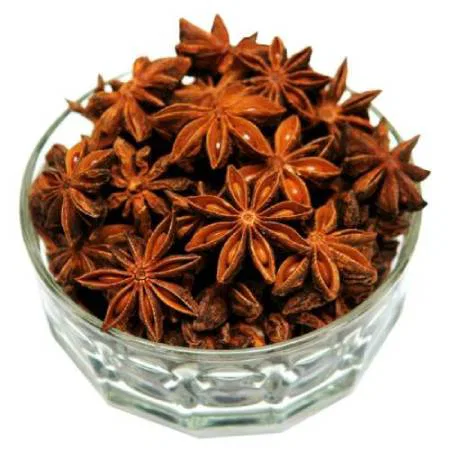
The term "Anasa flower" most commonly refers to Star Anise, the dried, star-shaped fruit of the Illicium verum tree. It's characterized by its reddish-brown, star-shaped appearance with 6-8 segments, each containing a seed. While the term can also refer to the dried fruit of the Anise plant (which is different), the name "Anasa flower" is more frequently associated with Star Anise.
Here's a more detailed description:
Star Anise (Illicium verum):
Appearance: Dried, star-shaped fruit, reddish-brown in color, with 6-8 segments (carpels).
Size: Each carpel is about 10mm long, boat-shaped, hard, and wrinkled.
Taste & Aroma: Sweet, licorice-like flavor with a strong, pungent, and spicy aroma.
Origin: Native to Southeast Asia, primarily grown in China and Vietnam.
Uses: Widely used as a spice in various cuisines, including Indian, Chinese, and Middle Eastern dishes. It's also a key ingredient in spice blends like garam masala and is used in flavoring teas, stews, and baked goods. Additionally, it's used in the production of essential oils for perfumery, soaps, and other products.
Anise (Pimpinella anisum):
Appearance:
An herbaceous annual plant with small, white or yellow flowers in dense umbels.
Leaves:
Leaves are either simple and lobed (at the base) or feathery and pinnate (higher on the stem).
Fruit:
Dry, oblong, and curved schizocarps, also known as "aniseed".
Taste & Aroma:
Similar to licorice, but the flowers and leaves are also edible and used for flavoring.
Therefore, when referring to "Anasa flower," it is generally understood to be the star-shaped fruit of the Star Anise (Illicium verum), not the flowers of the Anise plant (Pimpinella anisum).