Product Description:
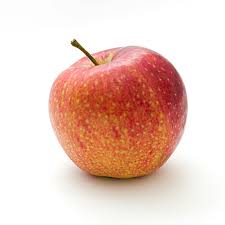
An apple is a round, fleshy fruit with a green, yellow, or red skin and small seeds, produced by the apple tree, which is native to temperate regions. There are thousands of apple varieties, each with its own unique taste, texture, and use (e.g., eating fresh, cooking, or making cider). Apples are a good source of vitamins A and C, carbohydrates, and fiber, and they are known for their health benefits.
Here's a more detailed look:
Physical Characteristics:
Shape: Generally round, but can vary in size and shape depending on the variety.
Color: Can be red, yellow, or green, with variations within each color group.
Skin: Can be smooth or slightly waxy.
Flesh: White or slightly off-white, depending on the variety.
Seeds: Small, black, and contained within a core in the center of the fruit.
Cultivation:
Apple trees are typically grown from grafted seedlings to ensure the desired variety is produced.
They thrive in temperate climates with cool, hilly areas.
Apples are harvested once a year, but thanks to their storage capabilities, they are available year-round.
Varieties:
Thousands of apple varieties exist, each with distinct characteristics.
Varieties can be broadly classified as cider, cooking, or dessert apples.
Popular dessert apple varieties include Honeycrisp, Red Delicious, Gala, Granny Smith, and Golden Delicious.
Nutritional Value:
Apples are a good source of vitamins A and C, carbohydrates, and fiber.
They also contain antioxidants, which may help prevent cell damage and reduce the risk of certain cancers.
The seeds of an apple contain amygdalin, which can release cyanide when digested, but the amount is generally low and not harmful unless the seeds are crushed and ingested in large quantities.



.jpg?format=webp&quality=75&width=2560)