Product Description:
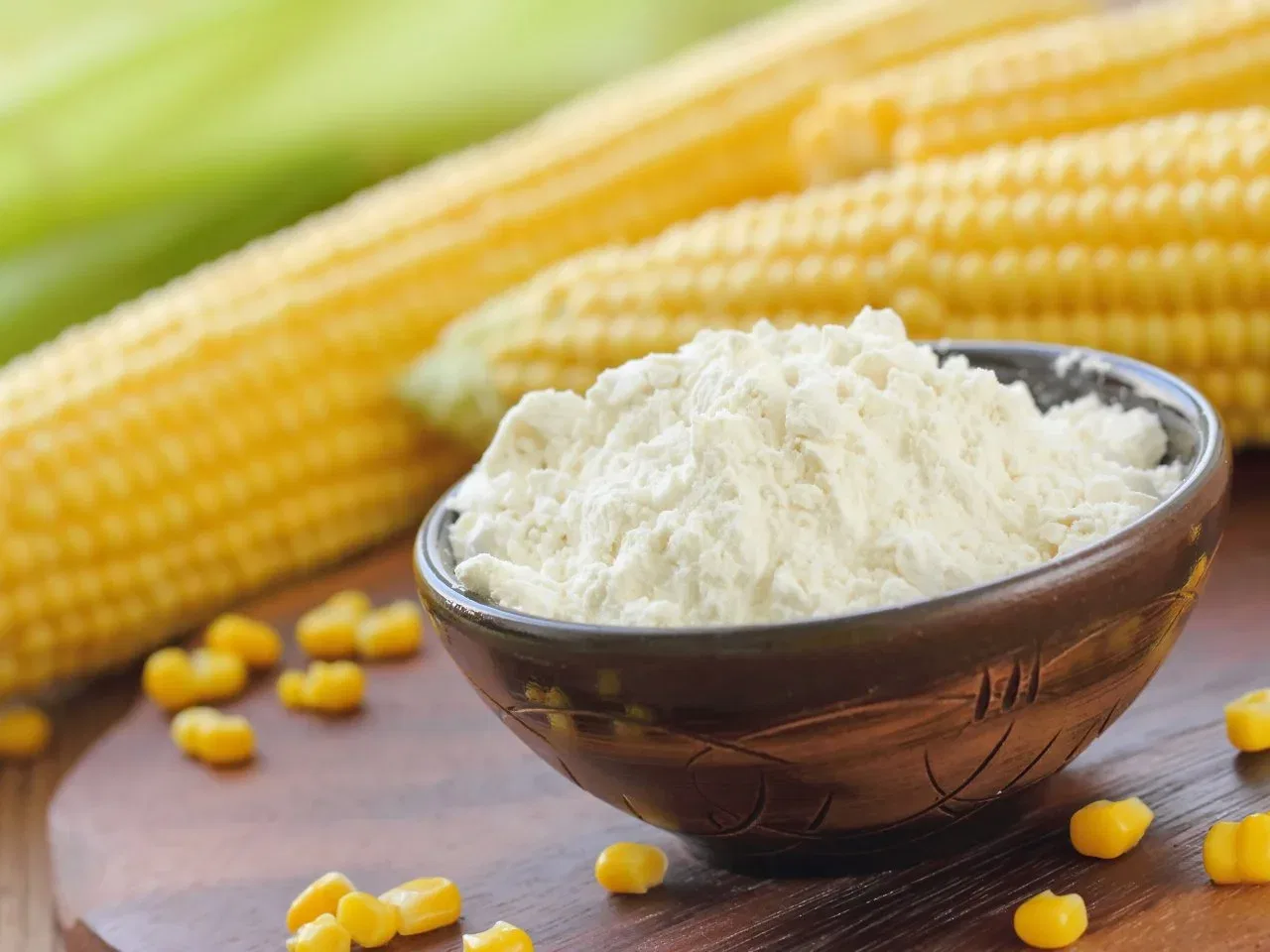
Cornflour, cornstarch, maize starch, or corn starch (American English) is the starch derived from corn (maize) grain. The starch is obtained from the endosperm of the kernel. Corn starch is a common food ingredient, often used to thicken sauces or soups, and to make corn syrup and other sugars.
Key characteristics
Nutritional Value: Corn flour retains the nutritional benefits of whole corn, containing protein, fiber, starch, vitamins, and minerals.
Flavor Profile: It carries a sweet and earthy taste reminiscent of corn.
Gluten-Free: Naturally gluten-free, corn flour offers a great alternative for those with gluten intolerance or celiac disease.
Texture: Corn flour's fine texture results in light and tender baked goods.
Culinary applications
Gluten-Free Baking: As a gluten-free alternative, corn flour can be incorporated into breads, pancakes, waffles, and pastries to achieve a delicate texture and corn flavor.
Thickening Agent: It serves as an effective thickening agent for soups, sauces, and gravies. When used for thickening, it is typically mixed with cold water to form a slurry before being added to hot liquids to prevent lumps.
Breading: The fine texture of corn flour provides a crispy and flavorful coating for fried foods like chicken and shrimp.
Desserts: Corn flour enhances the texture of various desserts, including puddings, tarts, and cakes.
Savory Dishes: It can be used in diverse savory dishes, including tortillas, flatbreads, pasta, and dumplings.
Tips for using corn flour
Storage: Keep corn flour in an airtight container in a cool, dry place to maintain freshness.
Mixing: When using it as a thickening agent, always mix it with cold liquid before adding it to hot dishes to prevent lumps.
Experimentation: For new recipes, start by substituting a small portion of wheat flour with corn flour to observe its impact on texture and flavor.
Seasoning: Corn flour's subtle flavor allows for bold seasoning to be used in dishes.
Note
It's important to remember that while the term "corn flour" is used in the United States to refer to finely ground whole corn kernels, in some other countries like the United Kingdom, it refers to what Americans call cornstarch. Therefore, when following a recipe, it's helpful to consider the recipe's origin to avoid confusion between corn flour and cornstarch.