Product Description:
Salt: uses, health impacts, and sources
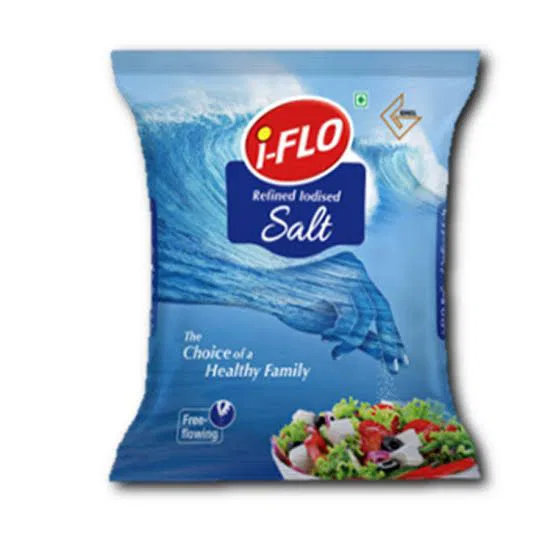
Salt, also known as sodium chloride (NaCl), is a ubiquitous compound crucial for both human health and various industrial applications.
Here's a breakdown of its uses and health implications:
Uses
Flavoring and food preservation: Salt enhances the taste of food and acts as a natural preservative, preventing microbial growth by drawing out moisture.
Essential nutrient: Sodium, a primary component of salt, is essential for maintaining fluid balance, nerve impulses, and muscle contractions in the body.
Industrial applications: Salt plays a vital role in various industrial processes, including:
Water treatment
De-icing highways
Manufacturing products like PVC, paper pulp, soaps, and glycerin.
Health implications
Maintaining sodium levels: While vital in small amounts, excessive sodium intake can be detrimental to health.
High blood pressure: Elevated sodium levels are a major contributor to high blood pressure (hypertension), increasing the risk of heart disease and stroke.
Other health risks: Consuming too much salt can also lead to fluid retention (edema), kidney problems, stomach cancer, and osteoporosis.
Low sodium levels (hyponatremia): Though rare due to high dietary intake, low sodium levels can cause symptoms like dizziness, confusion, muscle twitching, and seizures.
Recommended intake: The World Health Organization (WHO) suggests limiting daily sodium intake to less than 2,000 mg for adults (equivalent to less than 5 grams of salt). Other recommendations may be lower, especially for individuals with existing health conditions like high blood pressure, according to the Better Health Channel.
Sources of sodium
Processed foods: A significant portion of dietary sodium comes from processed foods such as canned soups, processed meats, snacks, and condiments.
Naturally occurring sodium: Some foods like milk, meat, and shellfish contain naturally occurring sodium, according to the World Health Organization (WHO).
Salt substitutes: Some individuals use salt substitutes, but these often contain potassium, which can be problematic for those with kidney issues or who are taking certain medications. It's crucial to consult a healthcare professional before making significant dietary changes, especially when managing medical conditions.
In conclusion, salt is a multifaceted compound with various uses. While a moderate intake of sodium is essential for human health, excessive consumption poses significant health risks. Balancing dietary choices, being mindful of sodium content in food, and adopting a lifestyle that prioritizes fresh, unprocessed foods can help mitigate the risks associated with high sodium intake.