Product Description:
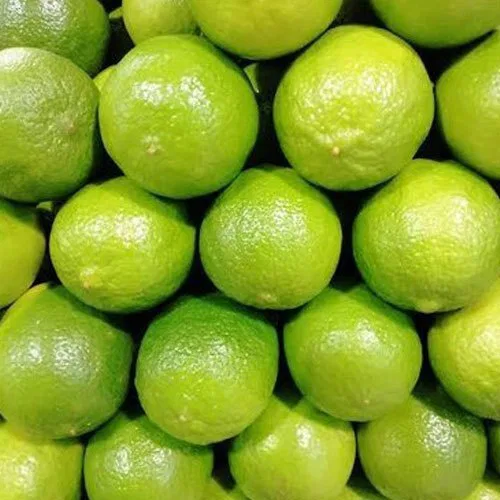
A lemon is a vibrant, yellow, oval citrus fruit with a distinctive tart and tangy flavor. It grows on small evergreen trees, primarily in warm regions. Lemons are widely used for their juice, zest, and pulp in culinary applications, including baking, flavoring dishes, and making lemonade. They are also a good source of vitamin C and other beneficial plant compounds.
Botanical Description:
Scientific Name: Citrus limon
Tree: A small tree or bush, typically reaching 10 to 20 feet in height, with thorny twigs and evergreen leaves.
Flowers: White with a reddish-purple base, fragrant, and often appearing in clusters.
Fruit: Oval, with a thick, yellow rind (peel) and juicy, segmented pulp. The rind is composed of an outer colored layer (zest) and an inner white, spongy pith.
Taste: The juice is sour due to the presence of citric acid.
Uses:
Culinary:
Lemon juice is used to flavor various dishes, including fish, meat, and vegetables. It's also a key ingredient in lemonade, lemon curd, and lemon bars.
Flavoring:
The zest (outer rind) is used to add a more intense lemon flavor to baked goods and other dishes.
Preservation:
Lemon juice can help prevent browning on sliced apples and is used in pickling.
Medicinal:
Historically used for medicinal purposes, lemons are still used to relieve bee stings and potentially prevent kidney stones.
Other:
Lemon oil, pectin, and citrate of lime are also byproducts of lemon processing.
Nutritional Value:
Vitamin C: A rich source of vitamin C, which is important for immune function and skin health.
Other Nutrients: Lemons also contain potassium and vitamin B6.
Plant Compounds: They contain various phytochemicals, including polyphenols, terpenes, and tannins, which may have beneficial effects on health.


.jpg?format=webp&quality=75&width=2560)