Product Description:
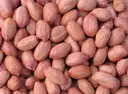
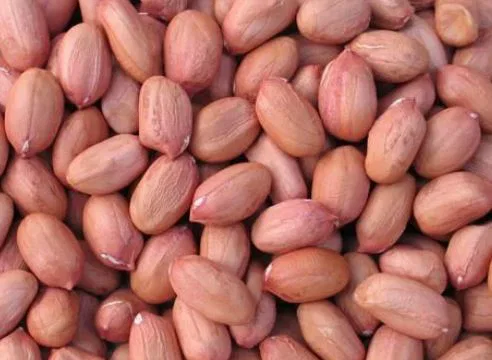
Moongfali, also known as groundnut, verusenaga, or pallilu in various Indian languages, is the common name for the peanut (Arachis hypogaea), a legume cultivated for its edible seeds. Peanuts are known for their nutritional value, being a good source of protein, healthy fats, and various vitamins and minerals. They can be consumed raw, roasted, boiled, or processed into products like peanut butter.
Detailed Description:
Botanical Name: Arachis hypogaea.
Family: Legume (Fabaceae), also known as the bean or pea family.
Plant: An annual herbaceous plant that grows 30 to 50 cm tall.
Fruit: The peanut is technically a fruit, not a nut, and develops underground.
Seed: The edible part of the peanut is the seed, which is rich in protein, healthy fats, and various vitamins and minerals.
Common Names:
Moongfali (Hindi)
Groundnut (English)
Verusenaga (Telugu)
Pallilu (Telugu)
Uses: Peanuts are versatile and can be consumed in various ways:
Raw: Eaten as a snack.
Roasted: A popular way to enjoy peanuts as a snack.
Boiled: Provides a different texture and flavor.
Processed: Made into peanut butter, peanut oil, or used in confectionery.
Nutritional Value: Peanuts are a good source of:
Protein: Essential for growth and development.
Healthy Fats: Monounsaturated fats, especially oleic acid.
Vitamins: Vitamin E, B vitamins (niacin, thiamin, etc.).
Minerals: Manganese, potassium, phosphorus, zinc.
Health Benefits: Peanuts are associated with:
Heart Health: May help lower cholesterol and reduce the risk of heart disease.
Antioxidant Properties: Rich in antioxidants like resveratrol, which can combat oxidative stress.
Digestive Health: The fiber content aids digestion.
Varieties: Peanuts are categorized into four main types: Runner, Virginia, Spanish, and Valencia.
Cultivation: Peanuts are cultivated in various regions, including India, where they are an important crop.