Product Description:
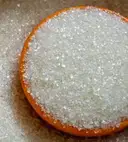
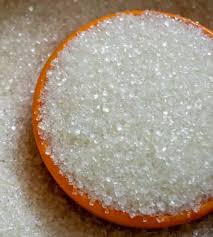
Sugar, in its most common form (sucrose), is a crystalline, sweet-tasting carbohydrate composed of glucose and fructose, and is widely used as a sweetener in food and beverages. It's a type of carbohydrate that provides energy, and it can be found naturally in many plants and also added to a vast array of processed foods. While it offers a readily available energy source, excessive consumption can contribute to health issues like weight gain, diabetes, and tooth decay.
Here's a more detailed breakdown:
Chemical Composition and Structure:
Sucrose: The most common type of sugar, also known as table sugar, is a disaccharide (a molecule made of two simple sugars) composed of glucose and fructose.
Other sugars: Other types of sugars exist, such as fructose (found in fruits), glucose (a simple sugar used by the body for energy), and lactose (found in milk).
Chemical formula: Sucrose has the chemical formula C₁₂H₂₂O₁₁.
Sources of Sugar:
Natural sources: Sugars occur naturally in fruits, vegetables, and dairy products.
Added sugars: Sugars are also added to many processed foods and beverages during manufacturing.
Common sources: Sugarcane and sugar beets are the primary sources of refined sugar (sucrose).
Forms of Sugar:
White sugar:
Refined sugar that has been processed to remove molasses, resulting in a white, crystalline appearance.
Brown sugar:
Contains molasses, giving it a brown color and characteristic flavor. It can be light or dark brown, with varying degrees of molasses content.
Turbinado sugar:
A partially processed sugar that retains some molasses.
Muscovado sugar:
An unrefined cane sugar with a high molasses content, resulting in a dark color and strong molasses flavor.
Other forms:
Powdered sugar (confectioners' sugar), liquid sugars (such as corn syrup), and various specialty sugars.
Functions of Sugar:
Sweetness:
Sugar provides the sweet taste that is desirable in many foods and beverages.
Energy source:
Sugars, as carbohydrates, are a source of energy for the body.
Texture and appearance:
Sugar can influence the texture, color, and overall appearance of food products.
Preservation:
Sugar can act as a preservative by inhibiting the growth of microorganisms.
Other functions:
Sugar can also affect freezing points, influence fermentation, and provide different physical forms in food products.