Product Description:
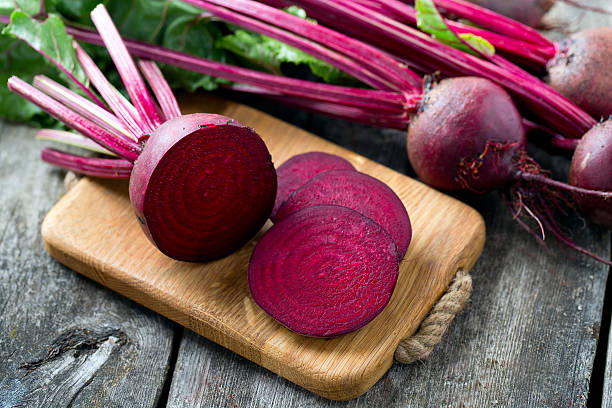
Beetroot, also known as table beet, garden beet, or red beet, is a root vegetable from the Beta vulgaris plant. It's known for its vibrant red or golden color and earthy, slightly sweet taste. Beetroots are packed with nutrients, including vitamins, minerals, and antioxidants, and offer various health benefits, from improving heart and lung function to potentially aiding in athletic performance.
Key characteristics and uses of beetroot:
Appearance:
Beetroot is a root vegetable with a round or carrot-like shape and a smooth, firm texture. The skin and flesh can be dark purplish-red, white, or orange.
Taste:
It has a distinctive earthy and sweet flavor, making it a versatile ingredient in both savory and sweet dishes.
Nutritional Value:
Beetroot is rich in vitamins (A, B, C), minerals (potassium, magnesium, iron, etc.), and antioxidants, including betalains, which are potent antioxidants and give beetroot its color.
Health Benefits:
Cardiovascular Health: Beetroot and its juice can help improve blood flow and may help lower blood pressure, benefiting both heart and lung function during exercise according to WebMD.
Athletic Performance: Nitrates in beetroot can enhance blood flow to muscles, potentially improving exercise performance.
Antioxidant and Anti-inflammatory Properties: Beetroot's betalains and other antioxidants can help protect against cell damage and reduce inflammation.
Liver Support: Some studies suggest that beetroot can improve liver function by increasing detoxifying enzymes.
Culinary Uses:
Beetroot can be eaten raw, roasted, boiled, steamed, or pickled. It's often added to salads, soups, stews, and juices.
Other Varieties:
Beetroot is a type of Beta vulgaris, which also includes sugar beets (used for sugar production) and chard (a leafy green vegetable)


.jpg?format=webp&quality=75&width=2560)