Product Description:
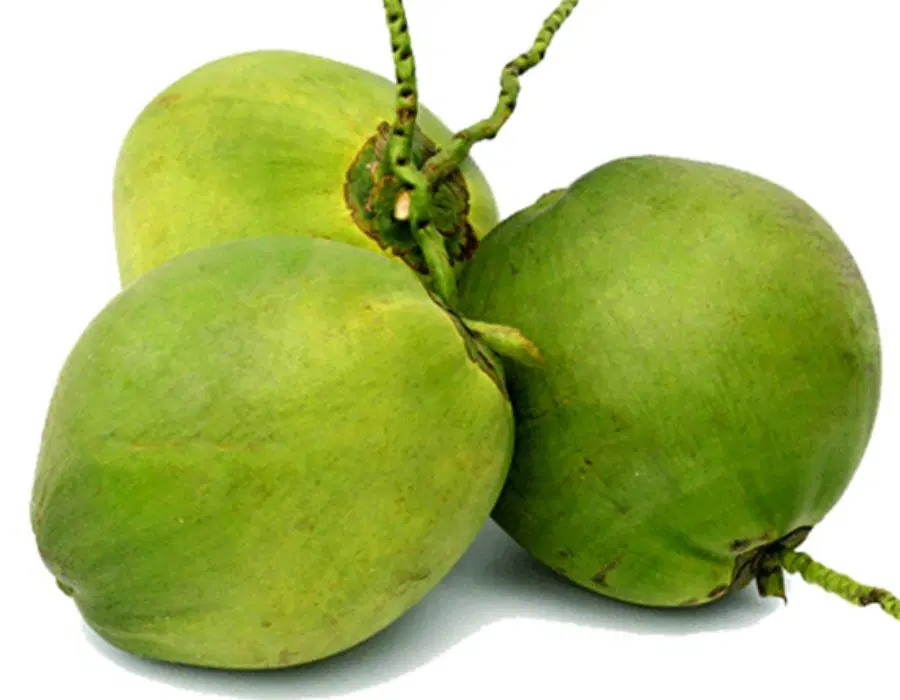
Coconuts are the fruit of the coconut palm tree (Cocos nucifera), a member of the palm family native to Southeast Asia. They are cultivated extensively in tropical regions around the world and are a vital part of the diet and economy in many countries.
What is a coconut?
Botanically, a coconut is considered a drupe, which is a type of fruit with a fleshy outer layer enclosing a hard shell with a seed inside. Other examples of drupes include peaches, plums, and cherries. While sometimes referred to as a "nut", this is botanically inaccurate.
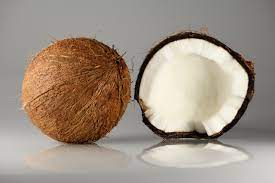
A fully developed coconut fruit typically weighs around 1.4 kilograms and has several distinct layers:
Epicarp: The outer, smooth skin, usually green, yellow, or bronze, depending on the cultivar and maturity.
Mesocarp: A thick, fibrous layer (4-8 cm thick) found beneath the epicarp. Coir, a versatile fiber used to make ropes, mats, and brushes, is derived from this layer.
Endocarp: The hard, woody shell that encloses the seed.
Seed: Contains a thin brown seed coat, a solid white layer of meat called copra (dried coconut flesh), and a cavity filled with coconut water (liquid endosperm).
Uses of coconut
The coconut palm is often called the "tree of life" or "Kalpavriksha" because nearly every part of it can be utilized.
Food and drink: Coconut water is a refreshing and hydrating beverage, particularly from young, green coconuts. Coconut milk and cream, made from grated coconut flesh, are used in a variety of dishes, especially in Asian and tropical cuisines. The meat itself can be eaten fresh, dried, or processed into oil or flour.
Fuel: Coconut shells and husks can be used as fuel or to produce charcoal. Coconut oil has even been explored as a biodiesel fuel substitute.
Cosmetics and medicine: Coconut oil is widely used in skincare and haircare products for its moisturizing and nourishing properties. It's also used in folk medicine for various ailments. The oil's antimicrobial properties are believed to help with skin and scalp health, according to Organic India.
Building materials and crafts: Coconut leaves are used for roofing thatch, baskets, and other handicrafts. The wood of the coconut palm can be used for furniture and construction in low-stress applications.
Other uses: Coir (fibrous husk) is used for door mats, brushes, and even erosion control netting. Coconut shells are utilized for handicrafts, bowls, and even as housing for small pets. Coconut water has been investigated for potential medicinal applications, including use as an emergency intravenous fluid due to its electrolyte content.
Health benefits
Coconut, in its various forms, offers several potential health benefits:
Hydration: Coconut water is an excellent source of electrolytes and helps with hydration, especially after exercise.
Energy boost: Coconut contains medium-chain triglycerides (MCTs), which are easily absorbed and converted into a quick energy source.
Immunity support: Lauric acid, an MCT found in coconuts, possesses antimicrobial and antiviral properties, helping to fight infections and boost the immune system, according to HDFC ERGO General Insurance.
Digestion aid: The fiber in coconut meat and the MCTs can help with digestion and promote gut health, according to HDFC ERGO General Insurance.
Skin and hair health: Coconut oil is a natural moisturizer for the skin and can help reduce protein loss and breakage in hair.
Blood sugar control: Coconut sugar, derived from the sap, has a lower glycemic index than refined sugar and contains inulin, a fiber that slows glucose absorption, according to Origin Nutrition. The fiber in coconut meat may also help regulate blood sugar levels, according to Narayana Health.
Weight management: The fiber in coconut can promote feelings of fullness, potentially aiding in weight loss by reducing hunger. The MCTs in coconut oil are also metabolized quickly and may help with fat burning.
Nutritional content
The nutritional content of coconut products can vary depending on the form and whether it's sweetened or unsweetened. Coconut milk, for example, is rich in healthy fats, particularly saturated fat. It also provides vitamins and minerals like iron, magnesium, phosphorus, potassium, copper, selenium, and vitamin C. Coconut milk is notably a good source of manganese.
Important considerations
While coconut offers many benefits, moderation is key.
Coconut products, especially coconut milk, are high in calories and fats. Combining a high intake with a carbohydrate-rich diet can lead to weight gain.
Some studies suggest that coconut oil's high saturated fat content can raise LDL (bad) cholesterol levels, while also raising HDL (good) cholesterol levels. The overall effect on heart health is debated and may vary between individuals.
If using coconut milk as a substitute for dairy milk, ensure it's fortified with calcium and vitamin D or supplement with other sources of these nutrients.
In conclusion, the coconut is a remarkably versatile fruit providing numerous uses and potential health benefits. Incorporating coconut in moderation as part of a balanced diet can contribute to a healthier lifestyle.


.jpg?format=webp&quality=75&width=2560)