Product Description:
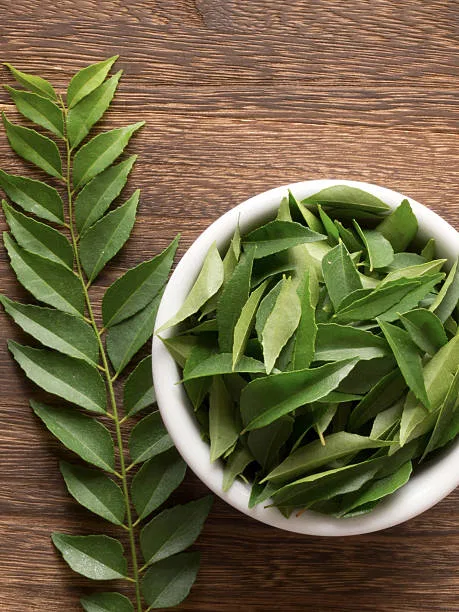
Curry leaves are small, aromatic leaves from the curry tree, scientifically known as Murraya koenigii. They are a staple in South Asian cuisine, particularly in Indian and Sri Lankan cooking, where they are used to flavor curries, stews, and other dishes. The leaves have a distinctive, pungent, and slightly citrusy aroma and flavor, often described as a mix of citrus, lemongrass, and nuts. They are typically used fresh or fried in hot oil to release their flavor before other ingredients are added.
Physical Description:
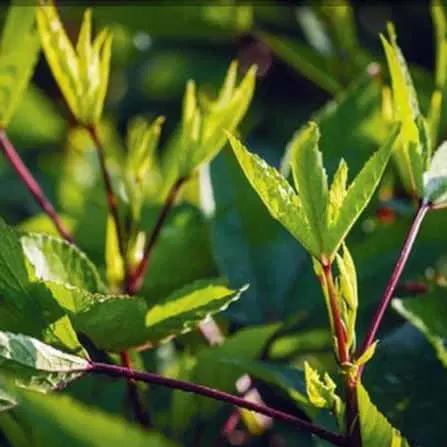
Shape and Size: Curry leaves are small, glossy, and elongated, averaging 2-4 centimeters in length and 1-2 centimeters in width.
Arrangement: They grow in pairs along a central stem, with 11 to 21 leaflets per leaf.
Color: The leaves are a vibrant green.
Texture: They are relatively thin and smooth, with a shiny surface.
Flavor Profile:
Aromatic:
Curry leaves have a distinct and strong aroma that is difficult to replicate.
Taste:
The flavor is often described as a combination of citrus, lemongrass, and nuts, with notes of anise and asafetida.
Bitterness:
They also have a slightly bitter taste, which adds depth to the flavor profile.
Culinary Uses:
Flavoring:
Curry leaves are primarily used as a flavoring agent in various dishes, especially curries.
Tempering:
They are often fried in hot oil to release their aroma and flavor before other ingredients are added.
Seasoning:
They can also be used to season rice dishes, soups, stews, and chutneys.
Fresh vs. Dried:
While fresh leaves offer the most intense flavor, they can also be dried or powdered for later use.
Other Uses:
Medicinal:
Curry leaves have been used in traditional Ayurvedic medicine for various purposes, including improving digestion, reducing inflammation, and lowering cholesterol.
Aromatherapy:
The aroma of curry leaves is also used in aromatherapy for its relaxing and stress-relieving properties.