Product Description:
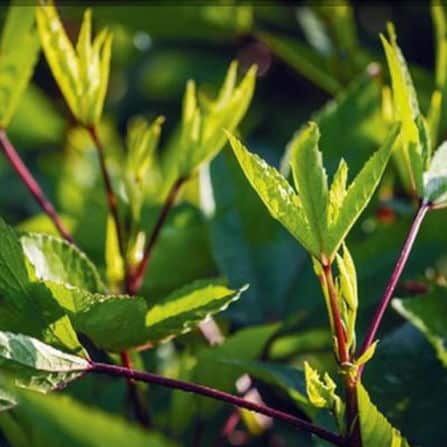
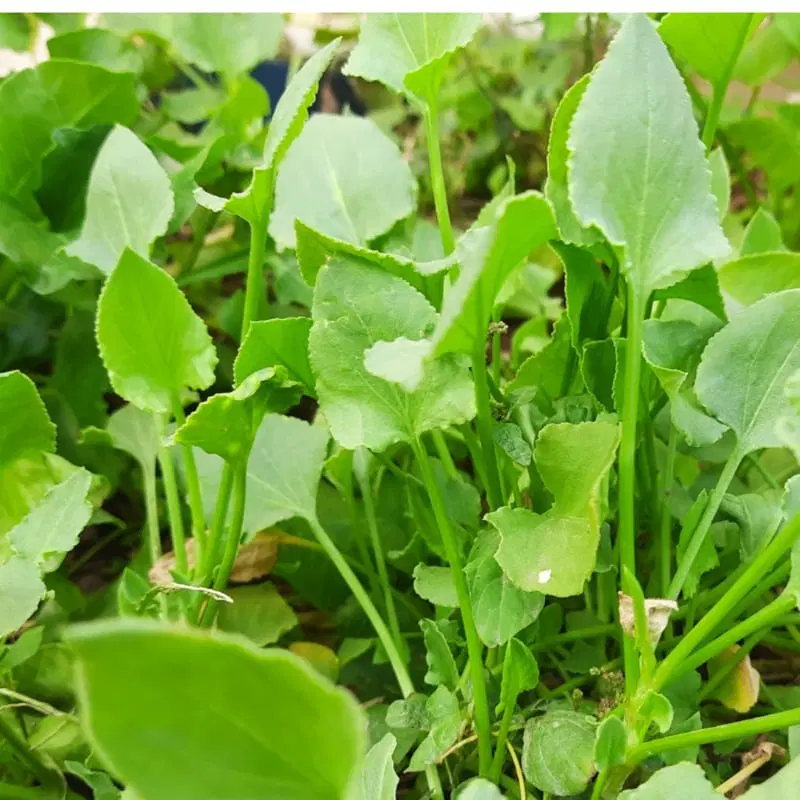
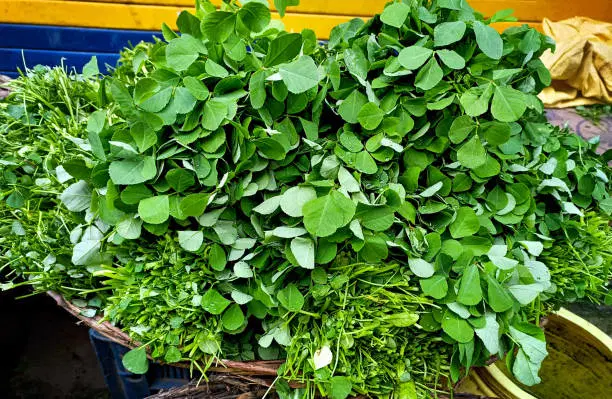
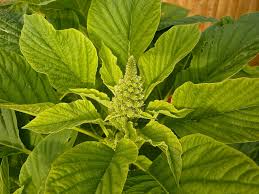
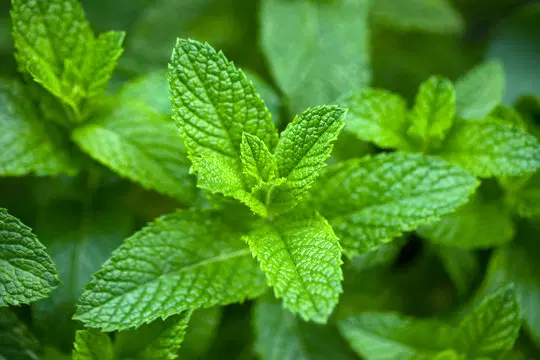
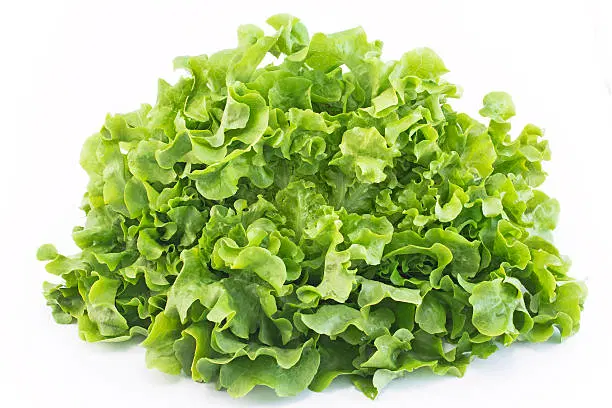
Gongura leaves, also known as sorrel leaves or Roselle leaves, are dark green, finger-like leaves with a distinct, mildly sour and slightly bitter taste . They are a popular leafy vegetable, particularly in Andhra Pradesh, where they are used in a variety of culinary dishes. Gongura leaves are known for their nutritional value, being a good source of iron, vitamin C, antioxidants, and other vitamins and minerals.
Here's a more detailed description:
Appearance:
Gongura leaves are typically dark green, with a finger-like shape, and can be medium to large in size. They have a slightly lobed structure, with three to five leaflets according to GoToChef. The leaves are pliable and flat.
Taste:
The leaves have a unique, slightly sour and bitter taste, which is characteristic of sorrel. This sourness can be more pronounced in warmer temperatures.
Culinary Uses:
Gongura is a versatile ingredient, used in various dishes like curries, pickles, and chutneys. It's also a popular addition to dishes like gongura pappu (dal), gongura mamsam (mutton), and gongura royyalu (shrimp) according to BigBasket.
Nutritional Value:
Gongura is a good source of several essential nutrients, including iron, vitamin C, vitamin A, folate (vitamin B9), and other B vitamins. It's also a source of antioxidants.
Origin and Availability:
Gongura is believed to have originated in India and Malaysia. It's widely cultivated in Andhra Pradesh and is also found in other parts of India, Southeast Asia, Central and South America, and Africa.
Other Names:
Gongura is known by different names in various regions, including pulicha keerai in Tamil, pundi palle in Kannada, and ambadi in Marathi.