Product Description:
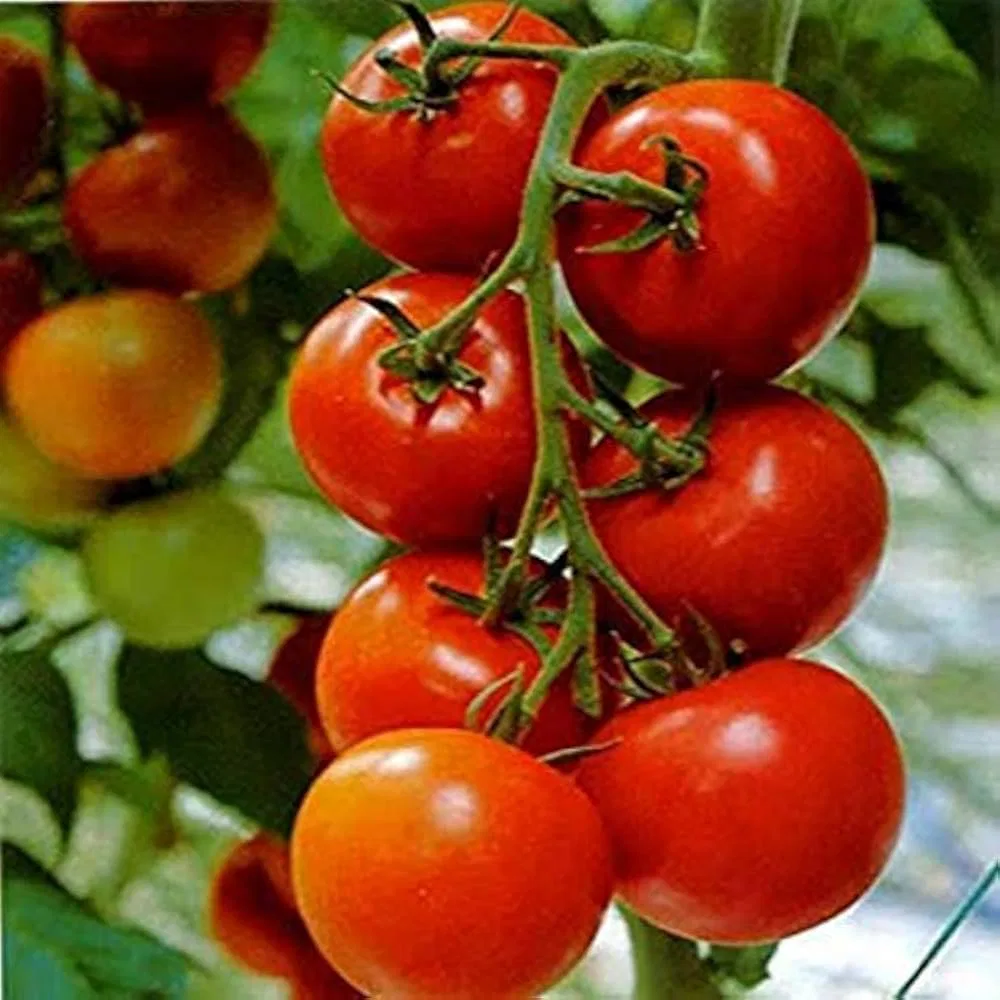
The tomato, scientifically known as Solanum lycopersicum, is a widely cultivated, edible fruit that is botanically classified as a berry, though it's commonly referred to and used as a vegetable. It's known for its juicy, fleshy texture and diverse colors, including red, yellow, orange, green, and purple. Tomatoes are rich in nutrients, particularly vitamin C and the antioxidant lycopene, and are used in countless dishes worldwide, both raw and cooked.
Here's a more detailed look:
Botanical Description:
Plant:
Tomato plants are typically sprawling, with hairy leaves and yellow flowers that grow in clusters.
Fruit:
The tomato fruit develops from the plant's ovary and contains numerous seeds embedded in a jelly-like pulp.
Varieties:
Tomatoes come in various shapes, sizes, and colors, including round, oval, pear-shaped, and cherry tomatoes.
Uses and Culinary Aspects:
Raw:
Tomatoes are a popular ingredient in salads, sandwiches, and as a simple side.
Cooked:
They are used in a wide array of dishes, including sauces, soups, stews, and even fried.
Processed:
Large quantities of tomatoes are processed into products like canned tomatoes, tomato juice, ketchup, puree, paste, and dried or sun-dried tomatoes.
Nutritional Value:
Vitamins and Minerals:
Tomatoes are a good source of vitamin C, potassium, and various other vitamins and minerals.
Antioxidants:
They contain antioxidants like lycopene, which is linked to various health benefits, including cancer prevention.
Other Nutrients:
Tomatoes also contain other antioxidants like beta-carotene and phenolic compounds.
History and Cultivation:
Origin:
Tomatoes originated in the Andes Mountains of South America and were first domesticated in Mexico.
Introduction to Europe:
The Spanish brought tomatoes to Europe after their explorations in the Americas.
Early Perceptions:
Initially, tomatoes were sometimes viewed with suspicion or considered poisonous due to their relation to the nightshade family.
Global Importance:
Today, tomatoes are a globally important crop, second only to potatoes as the most consumed non-starchy vegetable.


.jpg?format=webp&quality=75&width=2560)