Product Description:
Pomegranates 101: A Complete Guide
The pomegranate (Punica granatum) is a fruit-bearing deciduous shrub or small tree known for its reddish, leathery rind and juicy, red seeds (arils). These seeds are encased in a sweet-tart, edible pulp. The plant is native to the Middle East and Himalayas and is cultivated globally in warm, temperate regions.
Physical Description:
Tree/Shrub:
Pomegranates can grow as shrubs or small trees, reaching up to 10 meters in height.
Leaves:
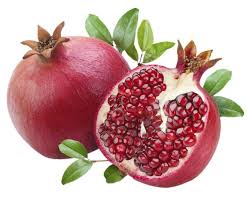
The leaves are glossy, leathery, and oval to oblong, typically growing in whorls of five or more.
Flowers:
They produce showy, bright red or orange flowers.
Fruit:
The fruit is a berry with a thick, leathery rind that can be yellow, red, or even purple. The interior is divided into chambers containing the edible arils.
Seeds:
Each fruit can contain hundreds of seeds, each surrounded by a juicy, red or pink pulp.
Other Characteristics:
Climate: Pomegranates thrive in hot, dry summers and cool winters.
Drought Tolerance: They are remarkably drought-tolerant.
Flavor: The arils offer a unique sweet and tart flavor profile, with a slight winey acidity.
Uses: Pomegranates are enjoyed fresh, juiced, or used in various culinary applications. The plant also has ornamental value


.jpg?format=webp&quality=75&width=2560)